Top 7 Alternatives of LP Exchange for Sell Tenanted Properties Directly To Other Investors
You own a tenanted property and want to sell it without waiting for a traditional buyer. Direct-to-investor platforms can cut that wait, but LP Exchange isn't the only route. Many landlords find their listings sit too long or attract the wrong enquiries.
By the end of this article, you will know exactly what separates a reliable tenanted property sales platform from a time-waster. We compare seven alternatives across pre-check rigour, buyer reach, and fee transparency, then name the best overall option for a quick, clean sale.
What to Look For in a Tenanted Property Sales Platform
Before comparing specific platforms, it's essential to understand the core criteria that separate a reliable tenanted property sales platform from a risky one. Selling a tenant-occupied property directly to other investors is not the same as listing a vacant home. The buyer is purchasing a cash-flowing asset, which means the transaction carries layers of complexity that a standard sale does not.
When you sell directly to property investors, you are essentially transferring a business asset, not just a building. The lease agreement, the tenant history, and the condition of the unit all factor into the valuation. A platform that ignores these details will leave you exposed to disputes, delayed closings, or even failed deals.
Below is a checklist of the five most important factors to evaluate. Use these as your filter when reviewing any listing platform, including LP Exchange and its alternatives.
1. Verification of Property Condition
The physical state of the property is the first thing a serious investor will question. If the roof is aging or the HVAC system is failing, the buyer needs to know before making an offer, not after.
Look for a platform that encourages or requires an inspection report to be attached to the listing. Some platforms allow sellers to upload third-party reports, while others have a verification process built into the listing workflow. The more transparent the condition data, the fewer surprises during the closing process.
Ask whether the platform verifies that the seller actually owns the property and that the tenant lease is valid. A platform that simply posts listings without any checks is a red flag.
2. Transparency of the Transaction Process
The sale of a tenanted property involves more moving parts than a standard residential closing. You have the lease assignment, the security deposit transfer, and the prorated rent to handle. A good platform makes this process clear from day one.
Check whether the platform offers or recommends an escrow service to hold funds until all conditions are met. Escrow protects both parties by ensuring the buyer's money is safe until the title transfer is complete and the tenant documents are handed over.
Look for platforms that outline the exact steps of their closing process in writing. If the platform is vague about how title transfer works or who handles the lease assignment, consider that a warning sign.
3. Fee Structure and Transaction Costs
Selling a tenanted property directly to another investor is often done to save on traditional real estate commissions. However, the platform itself will charge a fee, and those fees vary significantly.
Examine the transaction fees carefully. Some platforms charge a flat listing fee, others take a percentage of the sale price, and some charge both. For a property that sells for a higher value, a percentage-based fee can be substantial.
Read the fine print for hidden costs such as listing upgrades, document processing, or mandatory escrow fees. A transparent platform will publish its fee schedule openly. If you have to contact sales to find out the cost, that is a sign of opacity.
4. Liquidity: The Strength of the Buyer and Seller Network
A listing platform is only as useful as the network behind it. Property liquidity depends on how many active investors are browsing the site and how quickly properties move.
Evaluate the size of the platform's buyer network. Some platforms cater to large institutional buyers, while others focus on individual investors looking for single-family rental properties or small multifamily units. Know which audience dominates the platform before you list.
Also consider the seller side. A platform with a strong seller network will have a steady stream of inventory, which attracts more buyers. Look for evidence of active off-market deals or private listings, as these often indicate a more engaged investor community.
5. Support for Due Diligence
Investor-to-investor sales rely on trust, but trust must be backed by data. The best platforms support the buyer's due diligence process by making key documents easy to access.
Look for platforms that allow sellers to upload and attach lease agreements, rent rolls, and property valuation reports directly to the listing. This saves time for both parties and reduces the back-and-forth that stalls deals.
Consider whether the platform provides any tools for evaluating rental income and cash flow. Some platforms display estimated returns or cap rates based on the listing data. While you should always verify these numbers yourself, having them visible helps you gauge whether a buyer will find the deal attractive.
Keep this checklist handy as you review the alternatives to LP Exchange in the sections below. A platform that scores well on these five criteria will give you the best chance of completing a smooth, profitable direct sale of your tenanted property.
1. Let Property - Best Overall
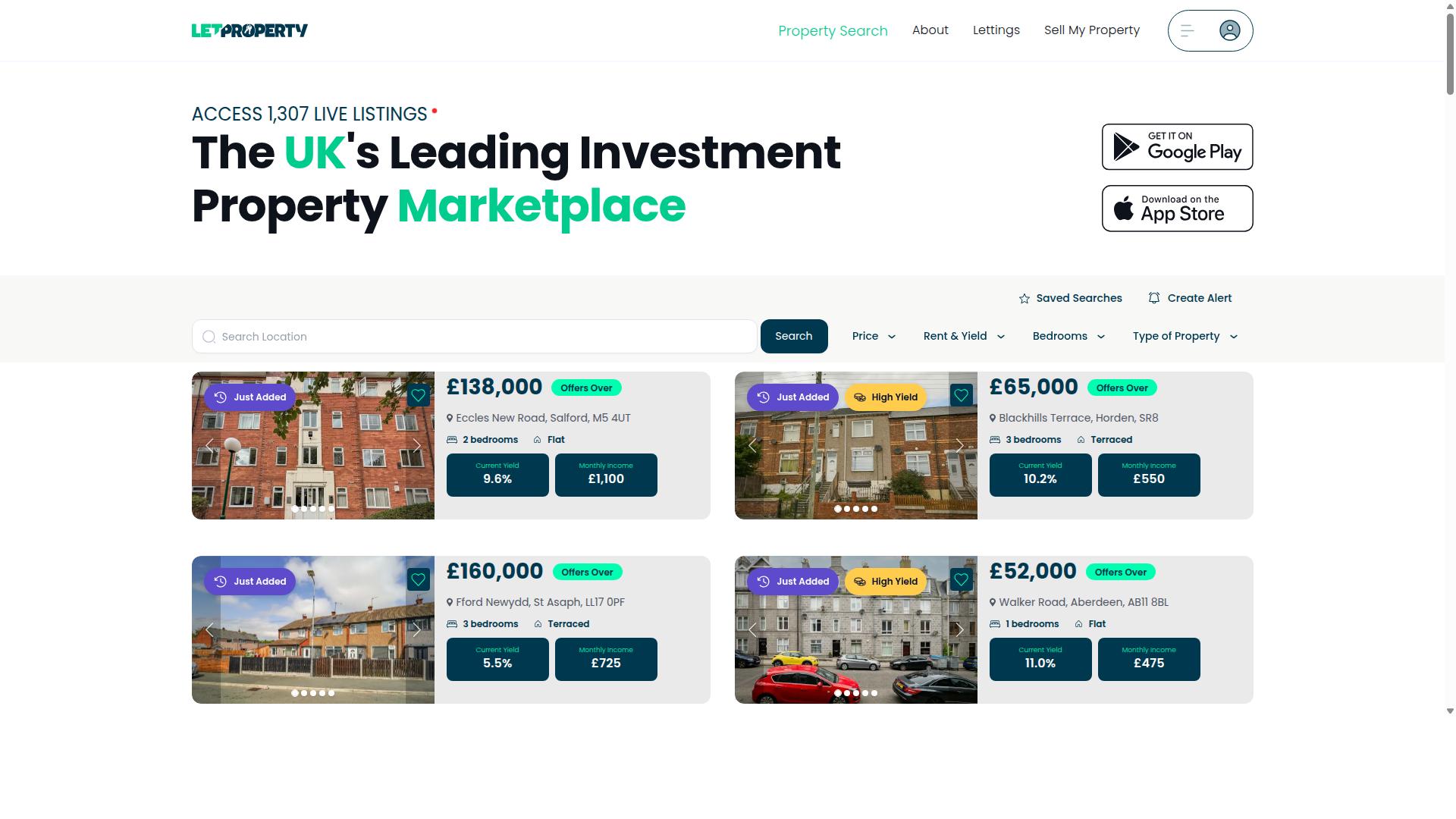
Let Property stands out as the best overall platform for buying and selling tenanted investment properties in the UK, offering a streamlined marketplace with verified listings. The platform currently hosts 938 live listings across a wide range of property types, giving investors a deep pool of options to choose from.
Unlike traditional real estate exchanges that cater to vacant homes, Let Property focuses exclusively on tenant-occupied properties. This investor-to-investor model means you can buy properties with tenants already in place, generating rental income from day one.
The platform serves the UK market with a clear emphasis on monthly cashflow. Whether you are looking to expand your property portfolio or exit a holding, the marketplace connects buyers and sellers directly, reducing friction in the transaction process.
Key Features and Benefits
Let Property differentiates itself with pre-checked properties and a fair, first-come-first-served purchasing process. Every listing comes with essential reports provided upfront, including property condition and inspection details, so you know what you are getting before you commit.
This approach significantly reduces the due diligence burden on buyers. Instead of commissioning multiple surveys and chasing paperwork, investors receive the critical information they need to make an informed decision quickly.
The purchasing process operates on a first-come, first-served basis, where the first investor to pay the buyer's premium secures the deal. This creates transparency and eliminates the uncertainty of bidding wars common on other listing platforms.
Customer satisfaction is notably high, with 97% of customers rating the service as good or excellent based on 5,882 service ratings in the past year. The platform also provides buyer and seller guides, lettings services, and a YouTube channel for investment tips and landlord updates.
Pricing and Fees
While specific fees are not publicly detailed, Let Property's model focuses on a buyer's premium as the primary cost. This structure is straightforward compared to traditional auction fees or agency commissions, which can add significant percentages to a transaction.
Because every property is pre-checked with essential reports provided upfront, buyers may save money on independent surveys. The reduced need for separate inspections and valuations can offset the buyer's premium, making the overall cost competitive.
For full fee details, interested parties are encouraged to inquire directly with the platform. This approach allows the team to explain the exact costs based on the specific property and transaction size.
Who It's Best For
Let Property is ideal for investors seeking immediate rental income without the hassle of finding and vetting tenants. The platform's tenant-occupied properties mean you step into an existing lease agreement with rental income already flowing.
The platform particularly suits retiring investors who want to transition from active management to passive income streams. Buying a property with tenants in place removes the operational burden of marketing vacancies and screening applicants. You can also explore Commercial Property Management Companies in Dallas TX for a closer comparison.
It also serves landlords and property investors across the UK who want to buy or sell tenanted properties directly to other investors. Whether you are growing a single-family rental portfolio or acquiring commercial property, the marketplace provides access to a dedicated buyer and seller network focused on cash flow.
2. Yieldit
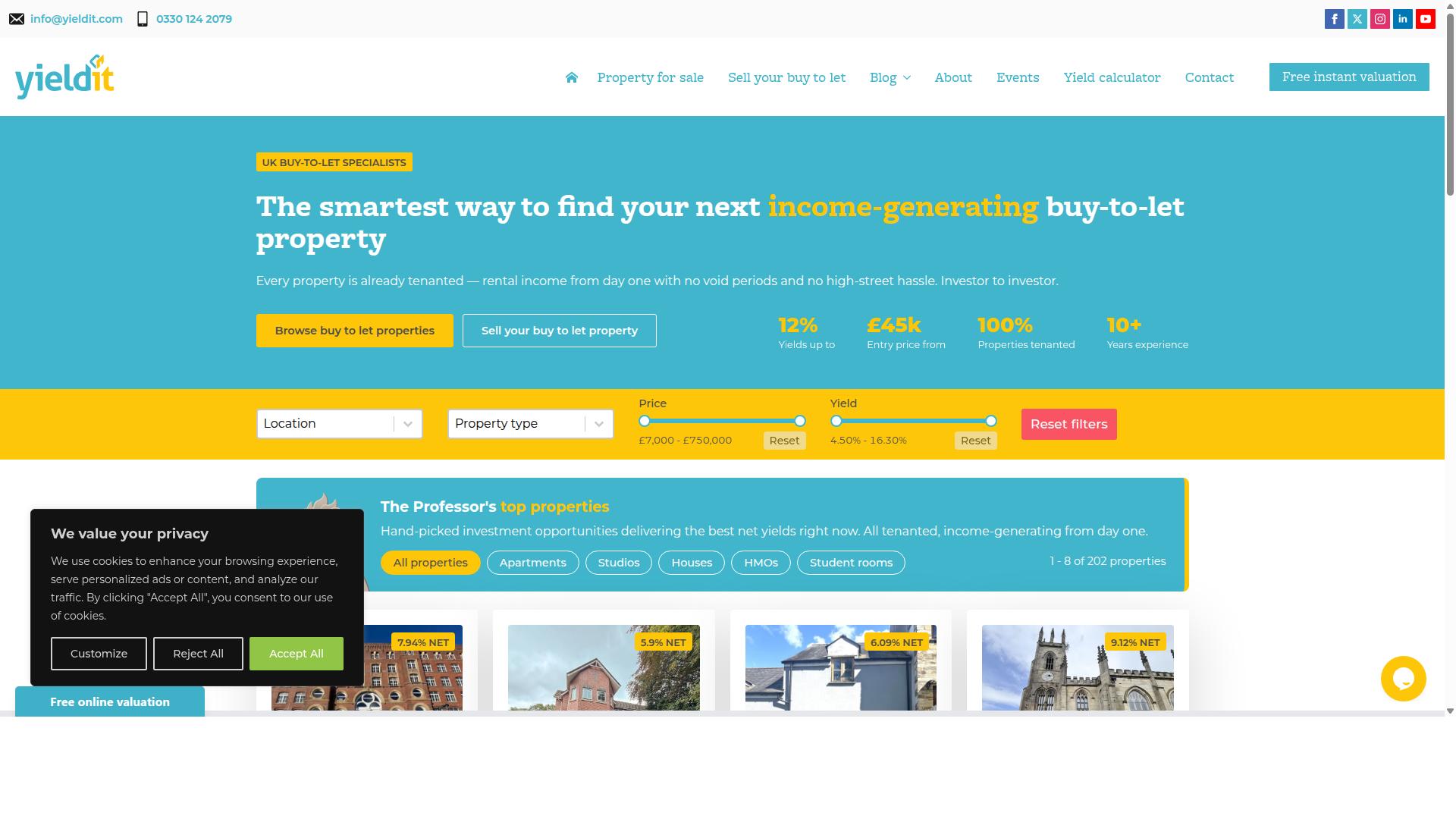
Yieldit offers a different approach by focusing on property crowdfunding, allowing investors to pool funds for fractional ownership of rental properties. Rather than selling tenanted properties directly to another investor on a one-to-one basis, Yieldit structures ownership as shares in a rental asset. This model suits investors who want exposure to the UK rental market without the responsibilities tied to being the sole legal owner.
The platform is positioned as a UK buy-to-let specialist, and its listings frequently include apartments, studios, houses, HMOs, and student rooms. Public listings show a wide range of purchase prices, from around GBP30,000 up to GBP330,000, with advertised net yields varying significantly depending on the property and location. The site also includes tools like a yield calculator and a free instant valuation service, which can help investors compare potential returns before committing funds.
The main advantage of this crowdfunding model is a lower entry barrier. Instead of needing the full capital for a property, investors can buy smaller shares, which opens the door to a broader range of budgets. This also enables diversification across multiple properties or regions, reducing the risk of putting all funds into a single tenant-occupied asset.
However, the trade-off is less control and limited liquidity. When you hold fractional shares, you typically do not make the day-to-day decisions about tenant management, lease agreements, or when to sell. Exiting an investment may depend on the platform finding a buyer for your shares, which can take time. Investors seeking a direct sale process with full ownership and immediate title transfer may find this indirect structure less suitable for their goals.
For property investors comparing this to an investor-to-investor sale on a real estate exchange, the key difference is the nature of the asset itself. With Yieldit, you are buying a stake in cash flow, not a deed. That can be appealing for passive income, but it requires confidence in the platform's management and a longer-term outlook on property liquidity.
3. Property Investments UK

Property Investments UK provides a platform for sourcing off-market investment properties, including single-family rentals and commercial assets. It positions itself as a property sourcing service that connects investors with deals that may not appear on mainstream listing portals.
The service leans heavily on data-driven location comparisons. It analyses UK buy-to-let locations using government data from sources like HM Land Registry and the Office for National Statistics. This approach helps investors spot areas with stronger gross yields before they commit to a purchase.
For investors selling tenanted properties, this platform is less about direct sales and more about portfolio building. The focus is on helping buyers find assets that generate rental income and cash flow. Sellers may find that the platform attracts serious investors rather than casual buyers, which could streamline the direct sale process.
One notable feature is its use of property alerts and educational guides. These tools support investors who want to understand market conditions before making an offer. The platform appears to suit those who value research-backed insights over speed alone.
However, the service may offer more personalized advice, which often comes with higher fees compared to standard listing platforms. Sellers should weigh the cost of a tailored service against the potential for a smoother investor-to-investor transaction.
If your priority is finding a buyer who understands tenant-occupied assets and the nuances of lease agreements, this sourcing model could be a fit. Just factor in the transaction fees and compare them with what you would pay on a property sale platform with a broader buyer network.
4. SDL Property Auctions
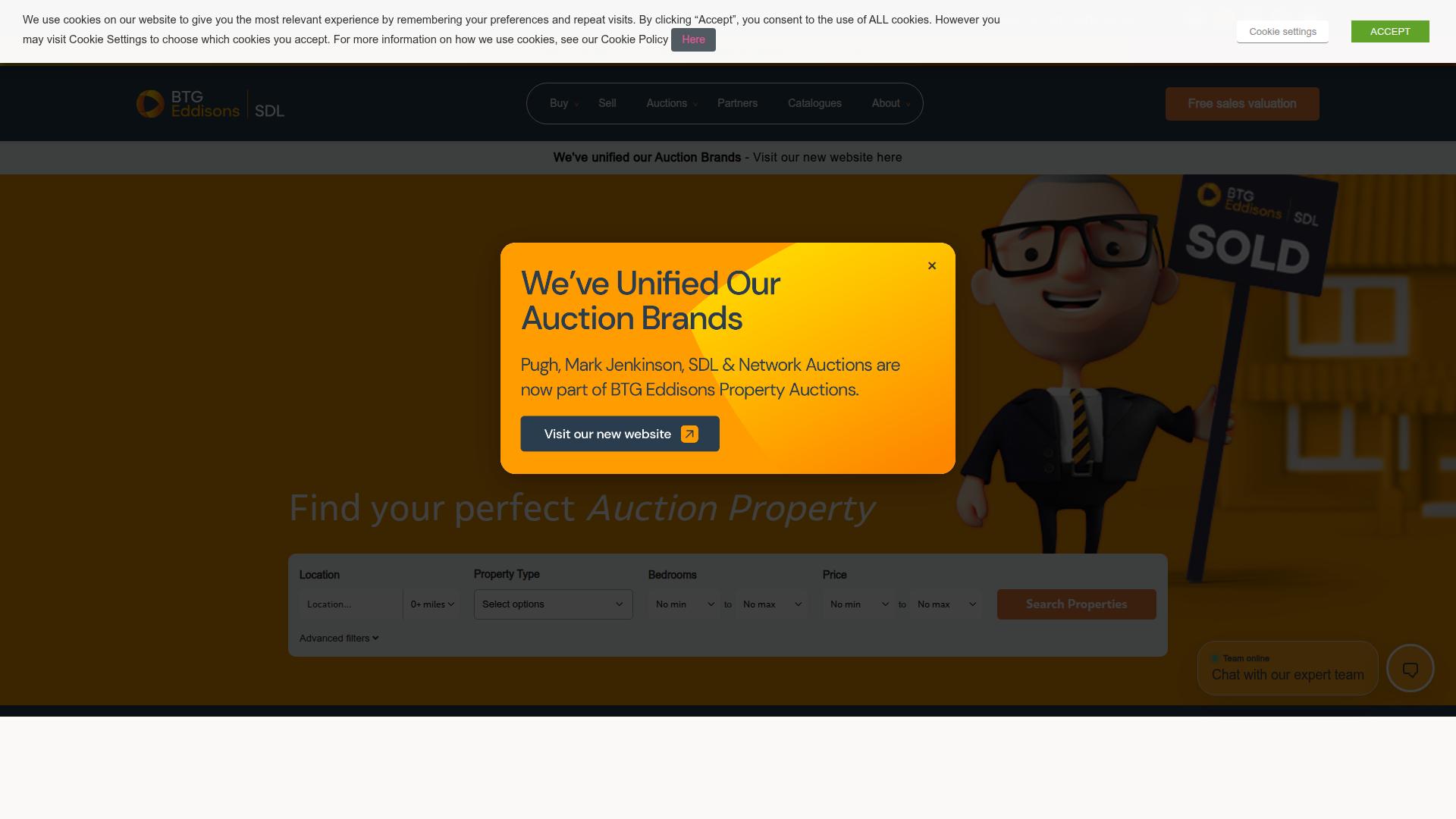
SDL Property Auctions is a traditional auction house that handles tenanted properties, offering a fast-paced sales environment. The platform works with sellers to decide between selling vacant or tenant-occupied units, and it markets both single lots and combined portfolios. This flexibility makes it a useful option for investors who want to offload multiple properties at once.
For tenanted properties, SDL typically attracts investor buyers and property professionals who value the ready-made rental income from day one. Vacant properties, by contrast, appeal to a broader pool that includes owner occupiers and first-time buyers. Both routes aim for immediate exchange of contracts and speedy completion, which suits sellers who want certainty and a defined timeline.
The auction process moves quickly, and that speed brings both benefits and risks. There is generally no inspection period, so buyers must complete their due diligence before the auction day. Contracts are binding once the hammer falls, which means you need to be confident in the property condition and valuation ahead of time.
Fees and closing costs vary, so it is worth asking for a full breakdown before committing. The potential for below-market prices exists, but so does the chance of a lower final bid than you might achieve through a direct sale. For investors weighing LP Exchange alternatives, SDL works best when you prioritize speed and certainty over maximizing every last pound.
5. RWInvest
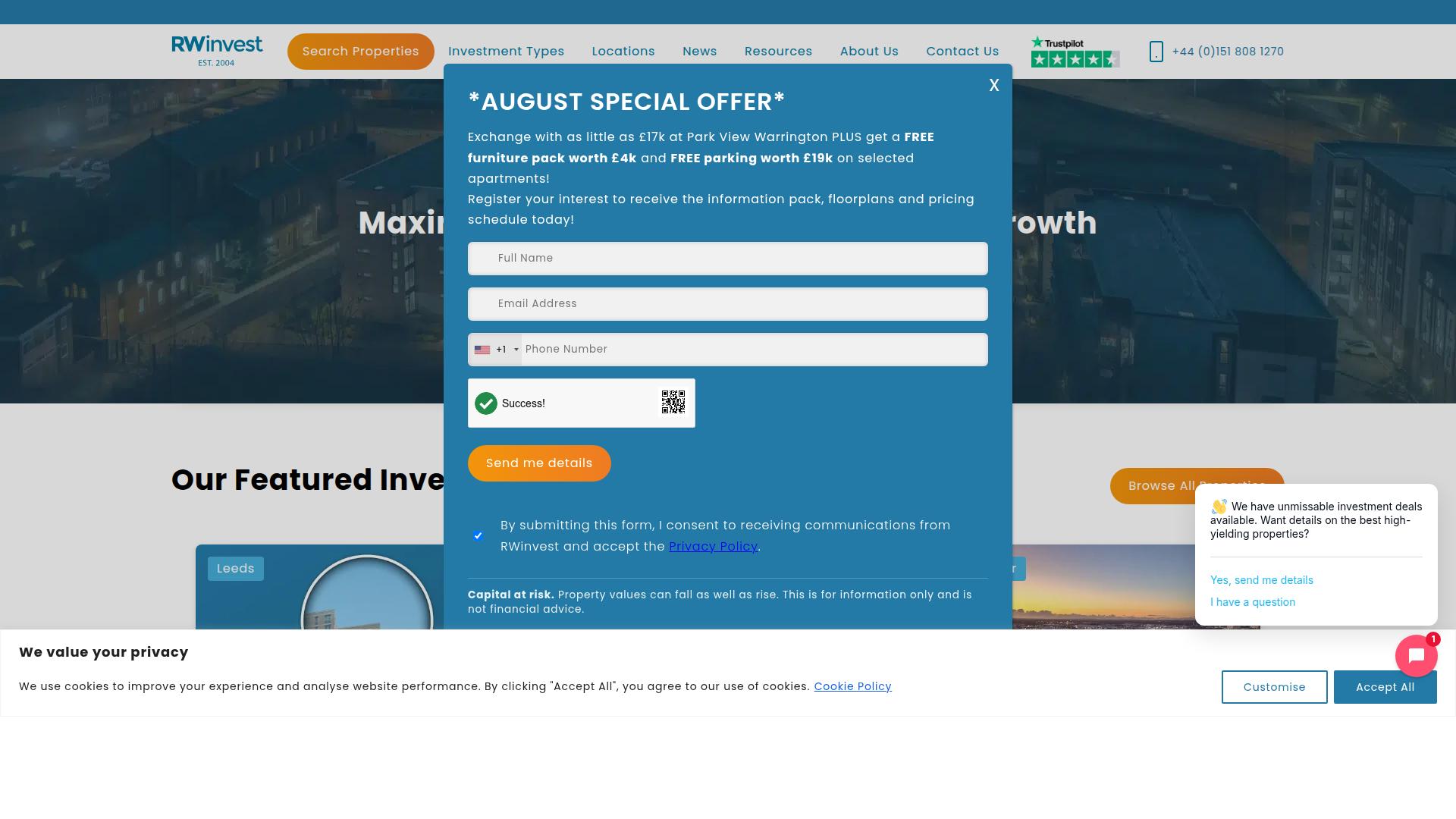
RWInvest specializes in building a network of investors to facilitate off-market property transactions, particularly for portfolio investors. The platform focuses on connecting buyers and sellers directly, which can be valuable for landlords looking to sell tenanted properties without listing them publicly.
This UK-based company works with buy-to-let, off-plan, new build, and short-let approved properties across locations including Liverpool, London, Luton, Manchester, Sheffield, Warrington, and Wigan. For sellers of tenant-occupied units, the appeal lies in accessing a curated buyer network rather than waiting for individual retail buyers to discover a listing.
The off-market focus means deals often happen between investors who understand rental income and cash flow dynamics. A buyer from the network may be more comfortable with an existing lease agreement and tenant management responsibilities than a first-time purchaser would be. This can streamline the closing process and reduce the friction of showing occupied units. Our breakdown of What Happens to a Reverse Mortgage When You Die covers the related details.
RWInvest provides supporting resources such as area guides, investment guides, market reports, and calculators for stamp duty, buy-to-let mortgages, and rental income. These tools help both parties assess property valuation and potential returns before committing to a direct sale.
Because off-market opportunities depend heavily on who you know, network access becomes the primary advantage here. Sellers should consider whether the platform's buyer pool aligns with their property type, whether that is multifamily, single-family rental, or commercial property. Exclusivity can work in your favor, but it also means fewer eyes on your asset compared to a broad listing platform.
Research suggests that investor-to-investor sales through networks like this can reduce transaction friction, though results vary by location and property condition. If you value privacy and speed over maximum market exposure, RWInvest may be worth exploring alongside other real estate exchange options.
6. BuyAssociation
7. Landlord Sales Agency
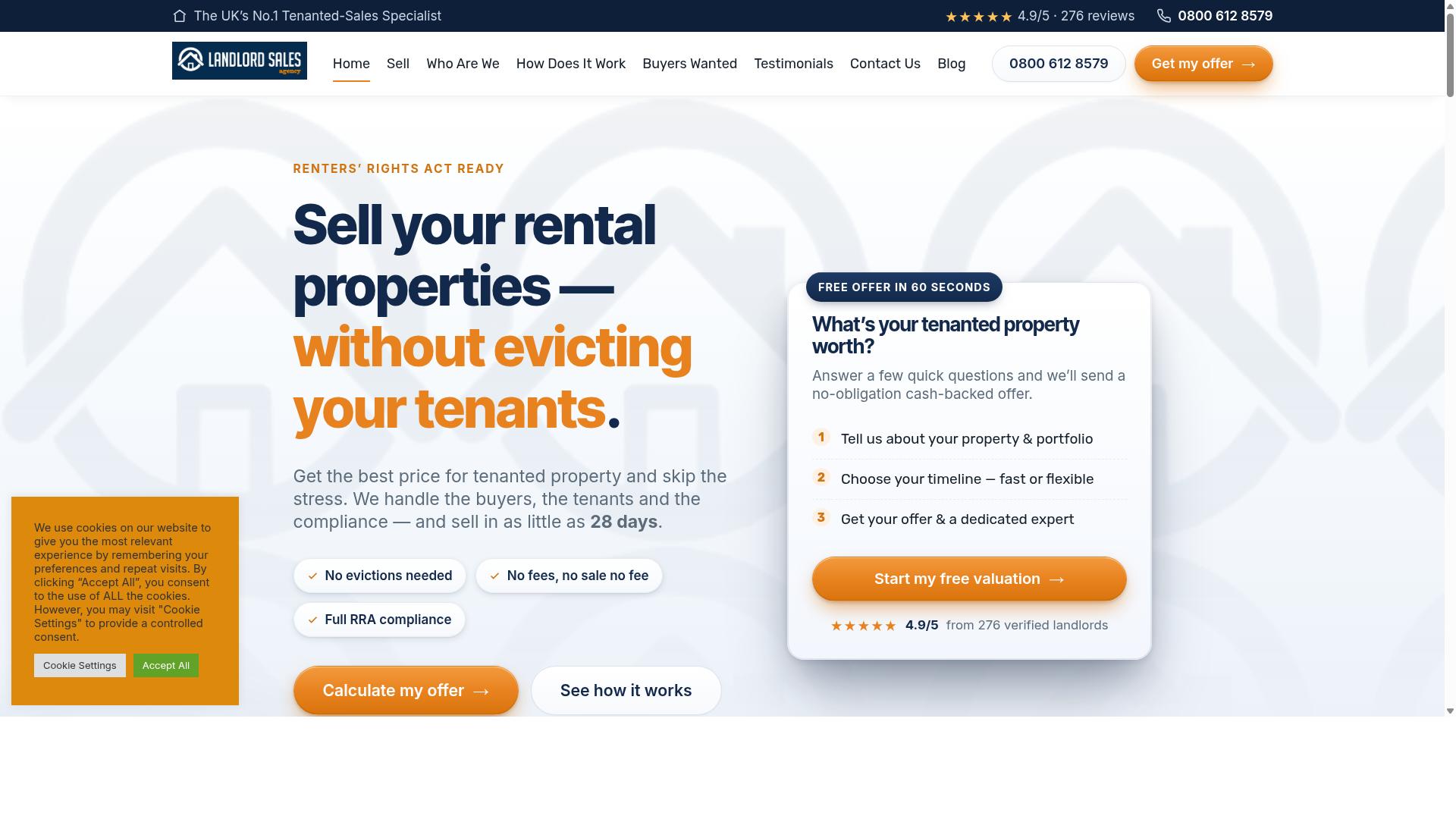
Landlord Sales Agency specializes in selling tenanted properties directly to investors, focusing on seamless transitions for landlords. The core value proposition is simple: you keep your rental income flowing during the sale process while the agency handles the complexities of tenant communication.
This approach is built around managing tenant relationships during the sale rather than treating occupants as obstacles. The agency coordinates viewings around tenant schedules, prepares the property for investor inspections, and works to keep the current lease agreement intact through closing.
A key part of the service involves smooth lease agreement transfers. The agency ensures the buyer understands their obligations as the new landlord, including security deposit handling and notice requirements. This reduces friction during the title transfer and helps avoid disputes after closing.
For landlords, the main advantage is avoiding the vacancy gap. Selling to another investor means you collect rent until the day of closing, and the buyer steps in as landlord immediately. This preserves your cash flow and eliminates the costs of cleaning, staging, and marketing an empty unit.
That said, the buyer pool for tenanted properties is narrower. Investors looking for owner-occupier homes or those seeking vacant possession may pass on your listing. The agency's niche in direct sales helps mitigate this by targeting investors who specifically value existing rental income and established tenant relationships.
Due diligence still matters. Buyers will want to review the lease agreement, tenant payment history, and property condition reports. A reputable agency should facilitate access to these documents while protecting tenant privacy and complying with local landlord-tenant regulations.
If your priority is uninterrupted rental income and you are willing to accept a potentially smaller pool of qualified buyers, a landlord-focused sales agency can be a practical alternative to a traditional listing platform.
How to Choose the Right Option
Choosing the right platform depends on your investment goals, risk tolerance, and the level of involvement you desire. Before comparing alternatives to LP Exchange, take stock of what you actually need from a property sale platform. This clarity will save you hours of research and help you avoid paying for features you will never use.
Start by defining your investment strategy. Are you chasing monthly cash flow or long-term capital gains? If you need rental income now, you should prioritise platforms with strong buyer networks focused on tenant-occupied properties. If you are more patient, a broader listing platform that attracts portfolio builders might serve you better.
Consider the type of property you hold. Single-family rentals sell differently than multifamily buildings or commercial property. Some platforms specialise in one asset class, while others accept everything from flats to industrial units. Match the platform to your property type, not the other way around.
Your need for property liquidity matters too. If you need to exit quickly, look for platforms with active investor-to-investor activity and shorter closing timelines. If speed is less critical, you can afford to wait for the right buyer willing to accept the existing lease agreement and tenant management responsibilities.
Finally, be honest about your comfort with due diligence. Selling directly to other investors often means the buyer will request detailed inspection reports, property valuation documents, and rent rolls. Platforms differ in how much support they offer for assembling these materials. Some provide escrow services and structured closing processes, while others leave the paperwork entirely to you.
Here is a quick framework to guide your decision:
- Cash flow investors: prioritise platforms with verified rental income data and tenant-occupied listings
- Retiring investors: look for platforms that simplify the direct sale process, including title transfer and escrow support
- Portfolio builders: seek platforms with large buyer networks and off-market deals that reduce competition
- Hands-off sellers: choose platforms with strong due diligence support and clear transaction fees
Let Property, which ranks first among these alternatives, specifically serves investors seeking tenanted properties for monthly cash flow, retiring investors, and landlords across the UK. Its focus on tenant-occupied sales means the buyer network is already aligned with what you are selling. That alignment reduces friction during the closing process.
Compare each platform against this framework. A platform that excels at deferred sales or 1031 exchange scenarios may be ideal for one investor but useless for another. The right choice is the one that matches your property, your timeline, and your tolerance for hands-on work.
Final Verdict
For most investors, Let Property offers the most comprehensive and secure way to buy or sell tenanted properties, thanks to its verified listings and fair process. The alternatives listed throughout this article each bring something useful to the table, whether that is a niche buyer network, specialized off-market deals, or a particular approach to property liquidity. But none of them combine the same level of upfront transparency with a process designed to reduce friction.
Let Property stands apart because every property is pre-checked and verified, with essential reports provided upfront. That means you are not chasing down inspection reports or waiting on title details after you have already shown interest. The diligence is done before you ever make an offer, which shortens the closing process and removes a major source of stress for both buyers and sellers.
The platform operates on a straightforward first-come, first-served basis. The first investor to pay the buyer's premium secures the deal. There is no bidding war, no prolonged negotiation, and no ambiguity about where you stand. This clarity is rare in the real estate exchange space, where opaque processes can stall deals for weeks.
Customer satisfaction reinforces the model. 97% of customers rate the service as good or excellent, based on 5,882 service ratings over the past year. That level of consistent feedback suggests the platform delivers on its promises, not just occasionally, but as a standard practice.
For investors seeking immediate rental income, every property on Let Property comes with tenants already in place. You are not buying a vacant unit and hoping to find a renter. The cash flow starts from day one, which makes due diligence simpler and the investment case easier to model.
Consider your own priorities before choosing a platform. If you need a specific type of multifamily asset or a particular geographic focus, one of the alternatives might fit better. But if you value verified property condition, a fair allocation process, and a large network of active investors, Let Property reduces the risks that typically complicate investor-to-investor sales.
The other platforms have their strengths, particularly around specialized deal flow or unique listing formats. However, the combination of pre-verified properties, high customer satisfaction, and a transparent queue system makes Let Property the strongest default choice for most property investors.
To review current listings or discuss how the process works for your portfolio, visit the Let Property website or reach out for more details. The team can walk you through the verification process and explain how the first-come, first-served system applies to your specific situation.
Get Started with Let Property
Ready to explore tenanted property investments? Contact Let Property today to speak with their team. Whether you are selling directly to other investors or expanding your portfolio, their specialists can guide you through the process.
Reach the sales team at 0141 674 1833 or email hello@letproperty.co.uk for help listing your tenant-occupied property. For lettings enquiries, call 0141 674 1840 or write to lettings@letproperty.co.uk. The team is available from 09:00 to 15:00.
Visit the Glasgow office at First Floor, Curated House, 90 Mitchell St, Glasgow City Centre, G1 3LN. A Manchester office is also located at Laser House, Media Village, Waterfront Quay, The Quays, Salford M50 3XW. You can also find Let Property on YouTube for additional insights.
Speaking with a specialist helps you understand your options for selling tenanted properties directly. Whether you need guidance on property valuation, due diligence, or the closing process, the team can point you in the right direction. Reach out to discuss your specific situation and get personalised assistance for your next investor-to-investor sale.
Frequently Asked Questions
How does Let Property differ from other platforms when selling a tenanted property?
Let Property is an online marketplace dedicated exclusively to buying and selling tenanted investment properties across the UK. Unlike generalist platforms, every property on Let Property is pre-checked and verified with essential reports provided upfront, which saves sellers time and gives buyers confidence. This focus on tenanted investments, combined with a fair first-come, first-served basis, makes it a streamlined choice for investors looking to sell directly to other investors.
What kind of properties can I list or find on Let Property compared to alternatives like Yieldit or RWInvest?
Let Property offers a broad range of property types including Detached, Semi-Detached, Terraced, Flat, Bungalow, Land, Commercial, Portfolio, and HMO. While competitors like Yieldit also list tenanted properties and RWInvest focuses on new builds and off-plan, Let Property's marketplace is built specifically around tenanted investments with a large live inventory. This breadth, combined with verified reports, makes it a strong one-stop option for investors seeking cashflow-generating assets.
Is Let Property suitable for retiring landlords who want to sell their tenanted portfolio?
Yes, Let Property's mission is specifically to help retiring investors generate monthly cashflow through tenanted property investments. The platform connects sellers directly with other investors who value the existing tenancy, avoiding void periods and keeping income flowing. With 938 live listings and a UK-wide reach, it is a practical route for landlords looking to exit or rebalance their portfolios.
How does the buying process on Let Property compare to auction platforms like SDL Property Auctions?
Unlike traditional auctions, Let Property operates on a fair first-come, first-served basis where the first buyer to pay the buyer's premium secures the deal. This removes the uncertainty of bidding wars and gives sellers a clear, straightforward process. Every property comes with essential reports upfront, so buyers can make informed decisions without the extra due diligence often required at auction.
What support does Let Property offer to sellers that other alternatives might not?
Let Property provides a dedicated team including a Director of Lettings and Lettings Manager, plus service partners for lending, solicitors, and eviction support. This means sellers have access to a full ecosystem to manage the transaction and ongoing tenancy. Additionally, 97% of customers rate the service as good or above, reflecting a high level of seller satisfaction compared to more fragmented alternatives.
Are there any guarantees about the quality of listings on Let Property versus other marketplaces?
While no platform can guarantee investment returns, Let Property stands out by pre-checking and verifying every property with essential reports provided upfront. This reduces the risk of hidden issues for buyers and makes the selling process more transparent. Testimonials from investors report yields ranging from 1% to 17.7%, but as with any investment, you should review each property's specific data before proceeding.